
Why Routine Lift Station Cleaning Matters
A lift station exists to move wastewater uphill. Everything about whether it keeps doing that comes down to what is sitting in the wet well, and how long it has been there.
What a Lift Station Does
Collection systems run on gravity wherever the ground allows it. Where it does not, a lift station takes over: wastewater collects in a wet well, and pumps lift it to a point where gravity can take it again.
It is a simple idea with one weakness. Everything that arrives in that well and does not get pumped out stays in it.
What Builds Up in a Wet Well
- Rags and wipes. They do not break down, and they collect around pump impellers and floats.
- Grease. It cools, floats, and forms a mat across the surface of the well.
- Grit and sand. It sinks, packs down and takes up the volume the well was sized for.
None of that is unusual and none of it means anything is wrong. It is what a wet well collects by design. The question is only how often it gets taken back out.
What It Costs You to Leave It
The pumps are the expensive part of a lift station, and buildup is what makes them work harder. Rags wrap impellers. Grit wears them. A grease mat interferes with the floats and level controls that tell the pumps when to run at all.
The failure mode is rarely dramatic. It is a station that runs more often than it used to, then one that trips, then a callout at an inconvenient hour, and eventually a pump that has to be pulled. Each of those steps costs more than the cleaning that would have prevented it.
What Cleaning Involves
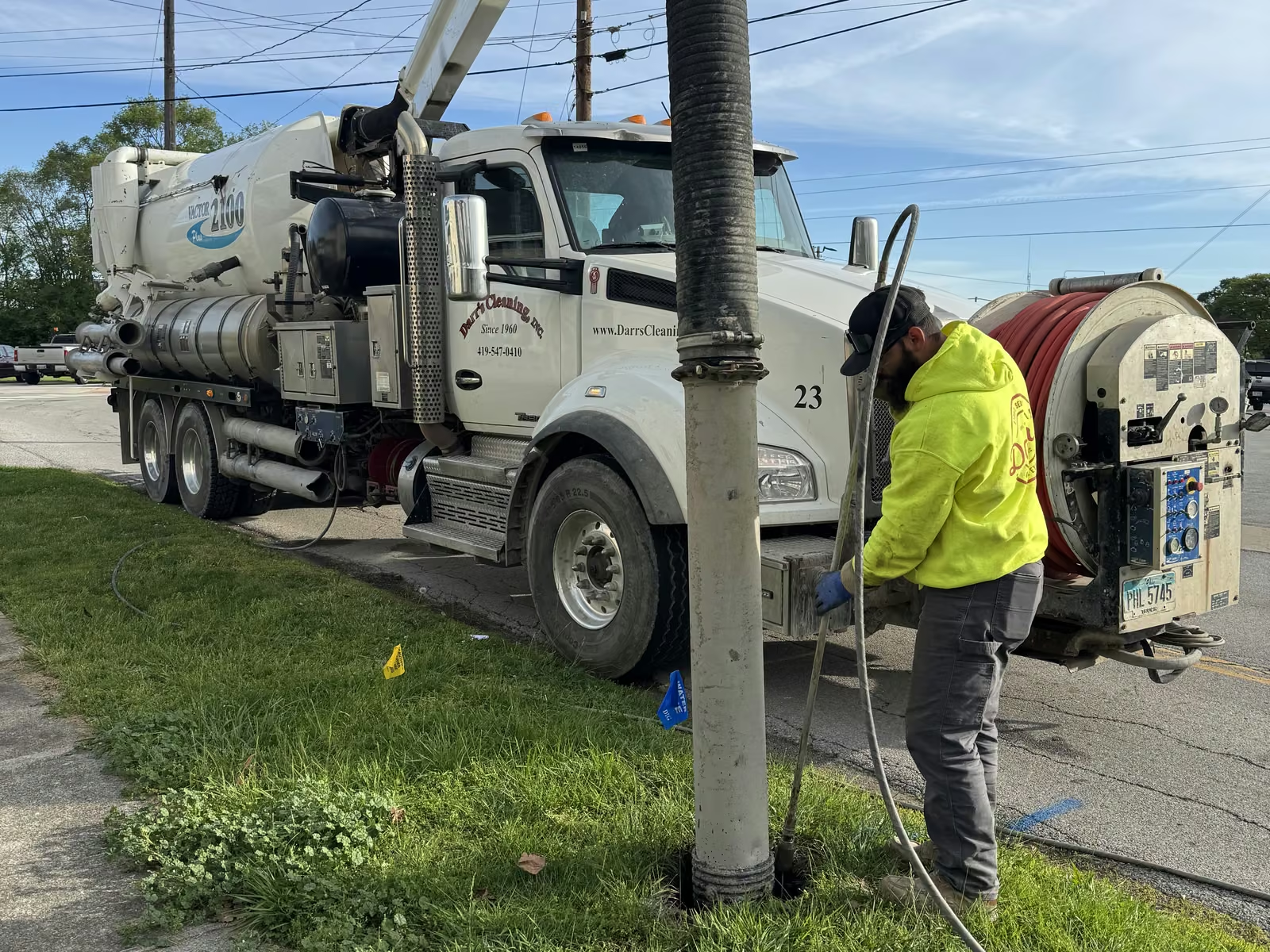
The well is pumped down and the accumulated material is vacuumed out, along with whatever has built up on the walls and around the controls. On most sites the work is done with the Jet-Vac, which cleans and recovers in the same visit so the material leaves with the truck rather than being pushed further into the system.
Because the well has to be pumped down anyway, it is also the one opportunity to look at the condition of what is in there and flag anything heading for a problem.
Setting an Interval
How often depends on what the station receives and how hard it works, which varies enough that a general number would be a guess. The useful approach is to clean it, see what came out, and set the interval from that rather than from an average.
Where the work is recurring, a scheduled agreement is usually easier than one-off calls, and it stops the station being something anyone has to remember. It also builds a record, which after a couple of cycles tells you more about the system than any survey would.
Who This Applies To
Municipal collection systems are the obvious case, and villages, townships and cities usually have several stations to keep on top of with a small crew. But private lift stations are common too, on commercial sites, industrial properties, campgrounds and anywhere the sewer connection sits above the building it serves. The maintenance question is identical; it is just that on a private site nobody else is going to raise it.
Have a lift station that is not on a schedule?
Tell us how many stations, what they serve and what access is like, and we will price the cleaning and suggest an interval once we have seen what comes out of the first one.
Related Reading
What Is Hydroexcavation, and When Should You Use It?
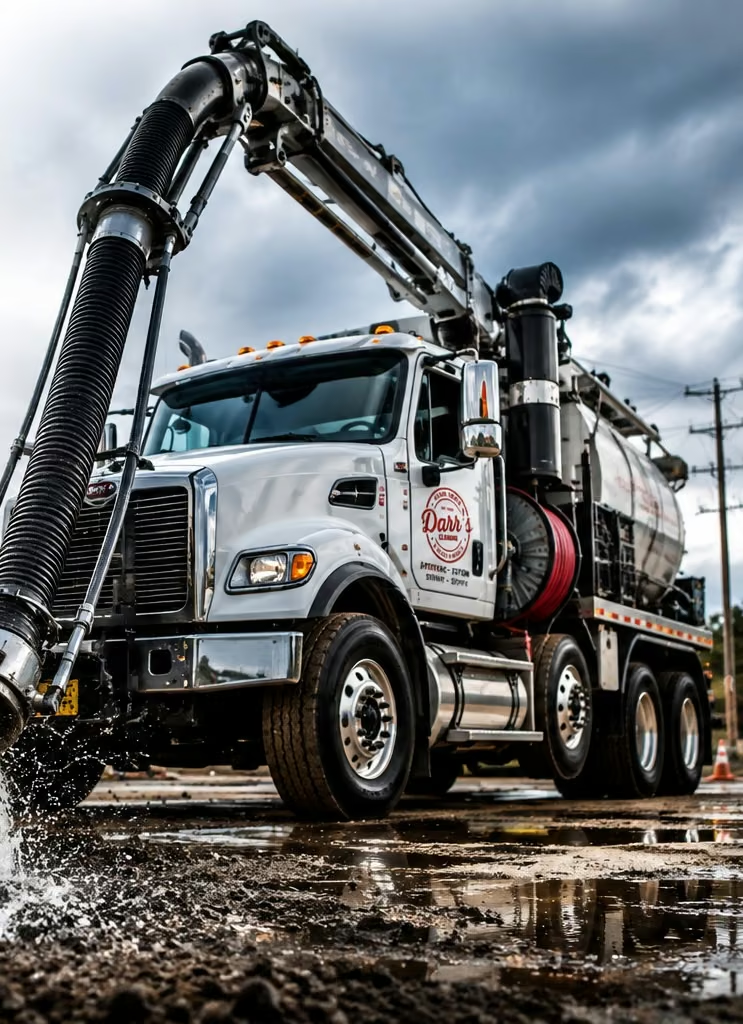
Hydroexcavation, or hydrovac, uses pressurized water to break up soil and a vacuum to lift it into a tank. Nothing mechanical cuts into the ground, which is the whole point of the method.
Read more →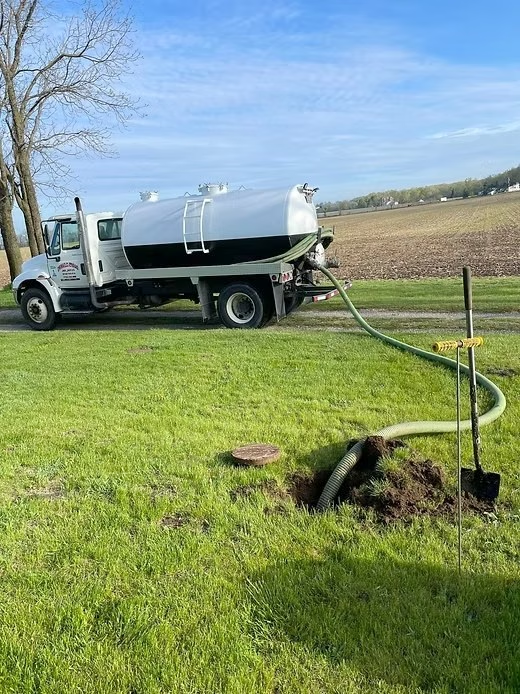
Warning Signs Your Septic System Needs Service
A septic system rarely fails without warning. It gives you several, usually over weeks or months, and most of them are easy to miss until you know what you are looking at.
Read more →