
What Is Hydroexcavation, and When Should You Use It?
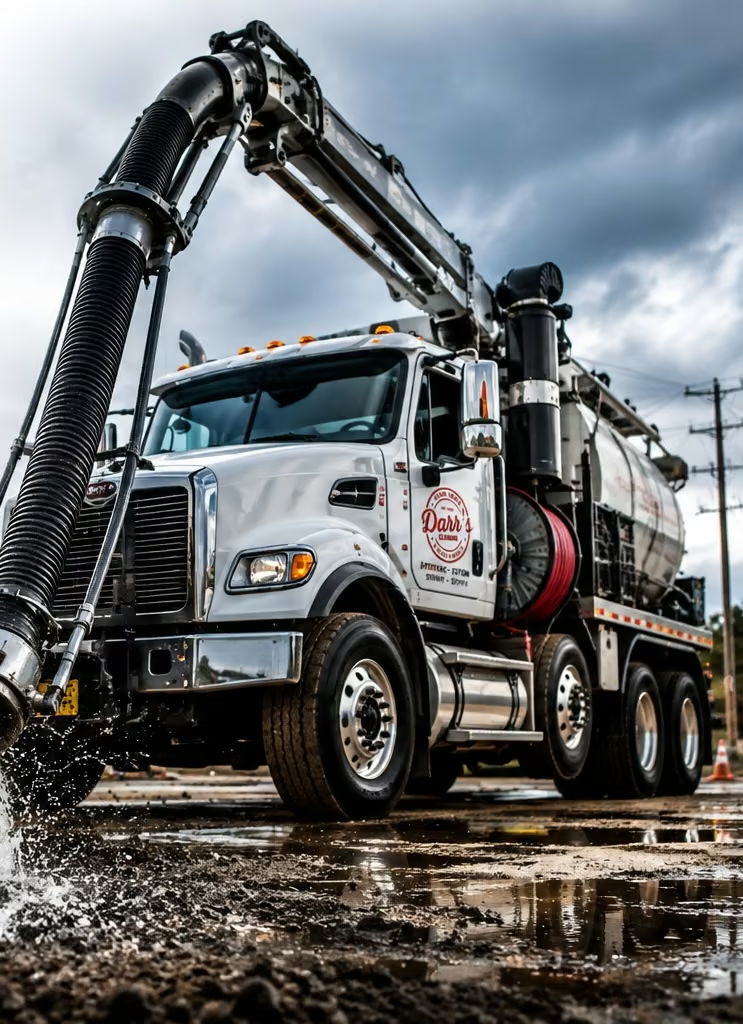
Hydroexcavation, or hydrovac, uses pressurized water to break up soil and a vacuum to lift it into a tank. Nothing mechanical cuts into the ground, which is the whole point of the method.
How It Works
Two things happen at once. Water at pressure loosens the soil, and a vacuum removes the resulting slurry into a holding tank on the truck. There is no bucket, no auger and no blade working blind against whatever is buried in the ground.
That matters because a mechanical excavator cannot tell the difference between soil and a live gas main. Hydrovac removes the material around a buried line and leaves the line itself intact.
The three parts of a hydrovac dig
- Water. Pressurized water breaks the soil down rather than cutting through it.
- Vacuum. The slurry is lifted into the tank instead of piling up on site.
- Disposal. The load leaves with the truck, so there is no spoil heap to work around and no separate haul-off to arrange.
What Crews Use It For
Most hydrovac work falls into a handful of jobs, and they all share the same reason for choosing water over a machine.
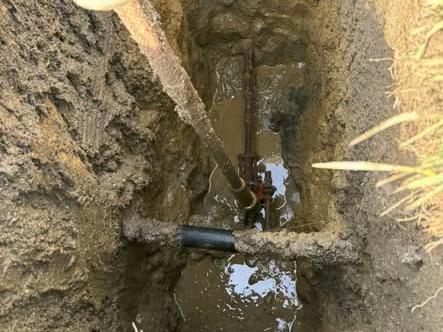
- Potholing and daylighting. Opening a small hole straight down onto a buried line to confirm where it is and how deep it runs.
- Utility exposure. Uncovering a line so its actual position and condition can be seen, rather than working from a mark on the surface.
- Slot trenching. Narrow, clean-sided trenches where a bucket would be too coarse or would put existing services at risk.
- Pole and sign holes. Clean holes in congested right-of-way where augering is impractical.
- Work around live services. Gas, electric, fiber, water and sewer.
When It Is the Right Choice
Hydrovac earns its place wherever the cost of hitting something is high relative to the cost of the excavation itself. That usually means one of three situations: you know something is buried there, you suspect something is buried there, or the records are old enough that nobody can say either way.
It is also the practical answer on congested sites, in occupied buildings and parking lots, and anywhere a machine cannot safely swing.
When It Is Not
It is a precision method, and being straight about that is part of scoping it properly.
- Bulk excavation. Moving large volumes of soil is what a machine is for. Hydrovac earns its place around what is already buried, not on open ground with nothing in it.
- Hard, frozen or rocky ground. Conditions affect how quickly the work goes, and that shows up in both the schedule and the price.
- Spoil comes out wet. It goes into the tank as a slurry, so plan for backfill material rather than assuming what came out of the hole goes back into it.
It also reduces the chance of striking a buried line rather than removing it. No excavation method is risk-free, and anyone telling you otherwise is selling something.
Who Uses It
Utility and pipeline contractors, gas, electric and fiber crews, general contractors, and municipalities working on buried assets whose records are incomplete. It is bought by the people who carry the cost of a strike, which is why the conversation is usually about risk before it is about price.
Planning a project that may need hydrovac excavation?
Send us the scope, including location, what is buried, how many holes or how much trench, access and the dates. Drawings help. We will review it and come back with pricing and scheduling.
Related Reading
Hydroexcavation vs. Traditional Excavation: What Is the Difference?
They are not competing methods so much as different tools. One moves volume. The other works carefully around what is already in the ground. Choosing between them is mostly a question of what you expect to find.
Read more →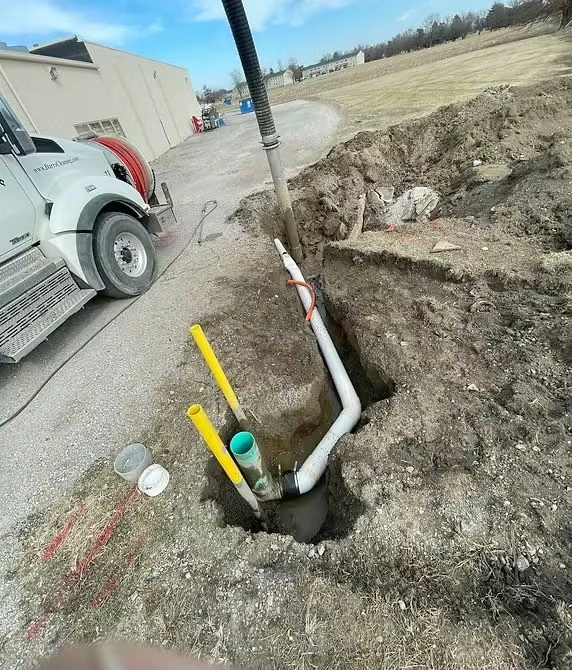
How Hydrovac Helps Protect Underground Utilities
Most utility strikes are not caused by nobody looking. They are caused by the gap between where a line was marked and where it actually turned out to be.
Read more →