
Hydroexcavation vs. Traditional Excavation: What Is the Difference?
They are not competing methods so much as different tools. One moves volume. The other works carefully around what is already in the ground. Choosing between them is mostly a question of what you expect to find.
The Basic Difference
Traditional excavation applies mechanical force. A bucket, a blade or an auger cuts into the ground and lifts material out. It is fast, it moves volume efficiently, and it has no way of knowing what it is cutting into.
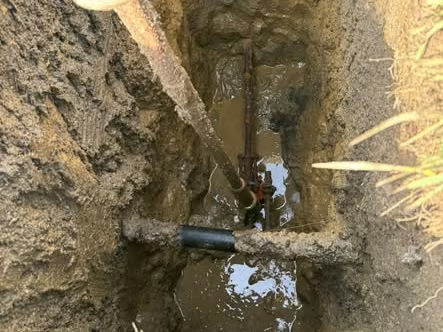
Hydroexcavation applies water and suction. The soil is broken down and removed, and anything solid that was in it, including a gas line, a fiber bundle or a water main, is uncovered rather than cut.
Where Mechanical Excavation Still Wins
On open ground with nothing buried in it, a machine is the right answer and it is not close. Foundations, ponds, bulk earthworks and site strip are volume jobs. Hydrovac on that work would be slower and more expensive for no benefit, because the benefit it offers is precision around buried services and there are none.
Where Hydrovac Wins
- Anywhere a strike is possible. Around live gas, electric, fiber, water and sewer.
- Where records are old or incomplete. Which, on a lot of infrastructure, is most places.
- Tight and congested sites. Where a machine cannot reach, cannot safely swing, or would have to work directly over services already in the ground.
- Where restoration is expensive. Finished surfaces, landscaping, paving and occupied sites.
The Comparison That Actually Matters
Compared cubic yard for cubic yard, mechanical excavation is the cheaper way to move soil. That comparison is only useful on a job where nothing is buried.
Where something is buried, the number that matters is not the cost of the excavation. It is the cost of a strike: an emergency response, a shutdown, a repair bill, an incident report and whatever the outage does to everyone downstream of it. Potholing first is a planned cost on a schedule you control. A strike is neither.
Site Impact and Restoration
A hydrovac hole is smaller and its sides are cleaner, so there is less surface to put back. The spoil goes into the tank rather than across the site, which means no pile to work around and no separate haul-off to arrange. On a finished surface or an occupied site, the restoration saving is often the easiest part of the case to make.
The trade-off is that the material comes out wet. It is a slurry rather than dry spoil, so plan for backfill material rather than assuming what came out of the hole goes back into it.
What to Tell Whoever Is Pricing It
The scope questions are the same either way, and answering them up front is what stops the number moving later.
- Where the work is, and what you believe is buried there
- How many holes, or how much trench, and to roughly what depth
- What the ground is like, including whether it is likely to be frozen or rocky
- Access, and whether a truck can get within working distance
- Any traffic control, permit or after-hours requirement the location carries
Trying to work out which method your job needs?
Send the scope and we will tell you honestly. If a machine is the right tool for what you are doing, that is a cheaper answer than the one we would be quoting.
Related Reading
What Is Hydroexcavation, and When Should You Use It?
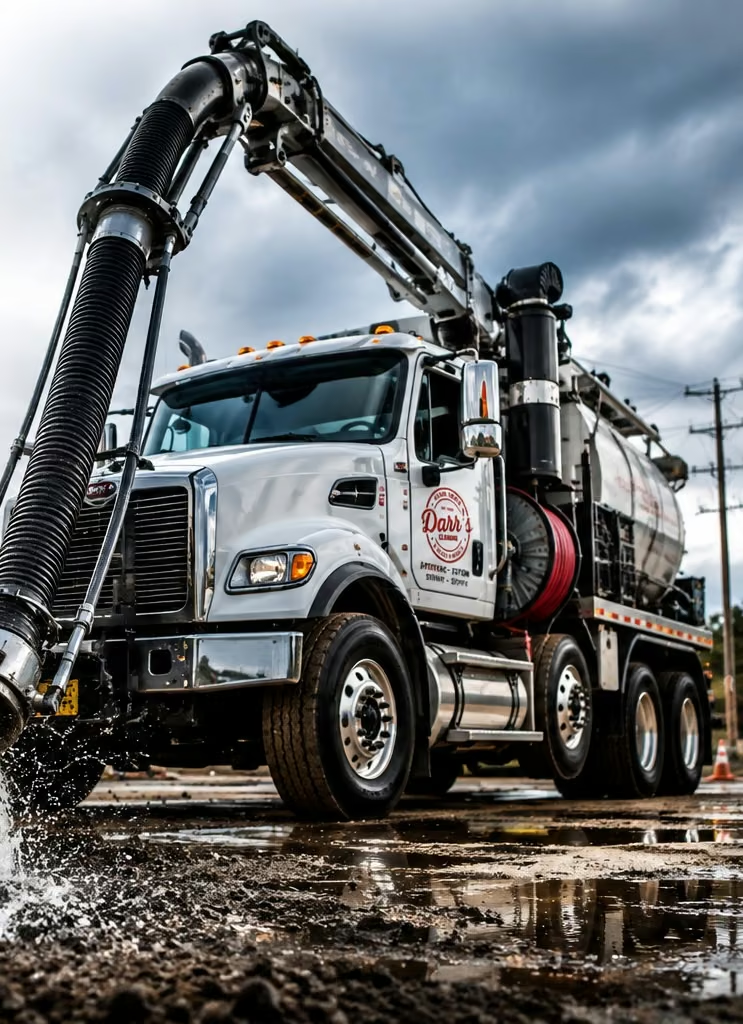
Hydroexcavation, or hydrovac, uses pressurized water to break up soil and a vacuum to lift it into a tank. Nothing mechanical cuts into the ground, which is the whole point of the method.
Read more →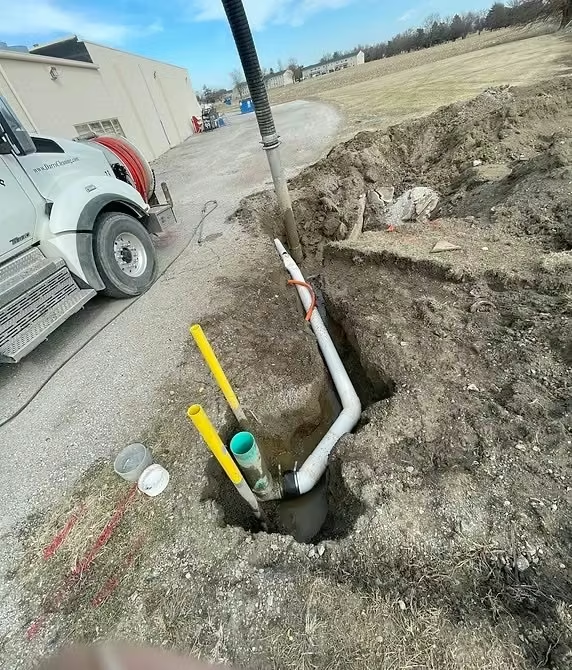
How Hydrovac Helps Protect Underground Utilities
Most utility strikes are not caused by nobody looking. They are caused by the gap between where a line was marked and where it actually turned out to be.
Read more →