
How Hydrovac Helps Protect Underground Utilities
Most utility strikes are not caused by nobody looking. They are caused by the gap between where a line was marked and where it actually turned out to be.
Why Strikes Happen Even After a Locate
A locate marks the approximate horizontal position of a buried line on the surface. That is genuinely useful and it is the right first step. What it does not give you is the exact depth, the exact alignment between the marks, or the condition of the line.
Buried services also move over decades. Lines get re-laid, ground settles, surfaces are built up, and the drawing in the file may record an intent from thirty years ago rather than what a crew actually did that week.
What the records usually do not tell you
- How deep the line actually sits at the point you intend to dig
- Where it deviates between two marks on the surface
- What condition it is in, and whether it will tolerate being worked near
- Whether something else was laid alongside it later and never recorded
Locate, Then Expose
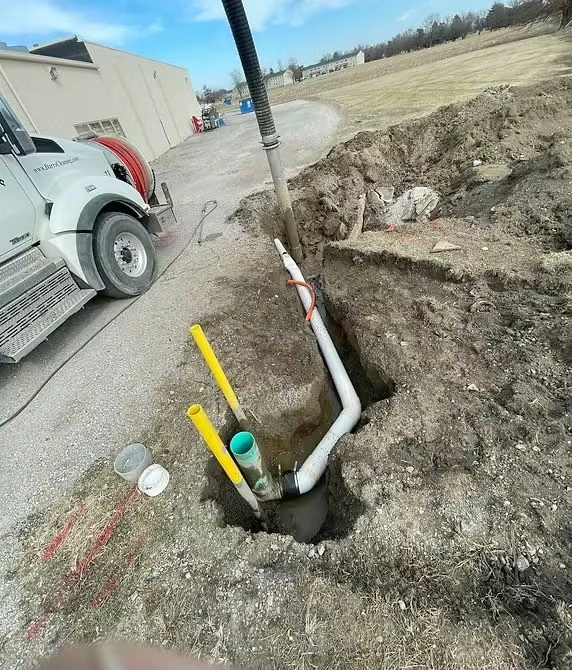
Hydrovac closes that gap by physically uncovering the line. Water and vacuum take the soil away without a cutting edge bearing on anything, so what comes into view is the line itself, intact, at its real depth and alignment.
That is the difference between believing a line is roughly there and being able to see it. On a bore or a trench that commits you to a route, it is the difference between planning around real information and planning around a mark on the grass.
Where This Matters Most
- Before boring or trenching. Confirming position and depth before the route is committed.
- Over live product. Gas and pipeline work, where the consequence of a strike is not just a repair.
- Congested corridors. Where several services share a narrow route and the records disagree with each other.
- Older infrastructure. Where the paperwork is thinner the further back you go.
On sewer and drainage work the same logic applies from the other direction. Electronic locating traces the route of a buried line from the surface, and camera inspection shows its condition from the inside. Between them you can usually establish what is there before anything opens the ground.
Reducing Risk Is Not Removing It
Hydroexcavation reduces the chance of striking what is already in the ground. It does not make a dig risk-free, and it is worth being clear about that rather than overselling the method.
Ground conditions, the accuracy of the information you started with and the condition of the line all still matter. What changes is that the soil is being removed by water instead of by something that cannot tell soil from a service.
Have a dig planned near buried services?
Send us the location, what you believe is down there, and the dates. We will price the potholing or exposure work and tell you what we would want to know before starting.
Related Reading
What Is Hydroexcavation, and When Should You Use It?
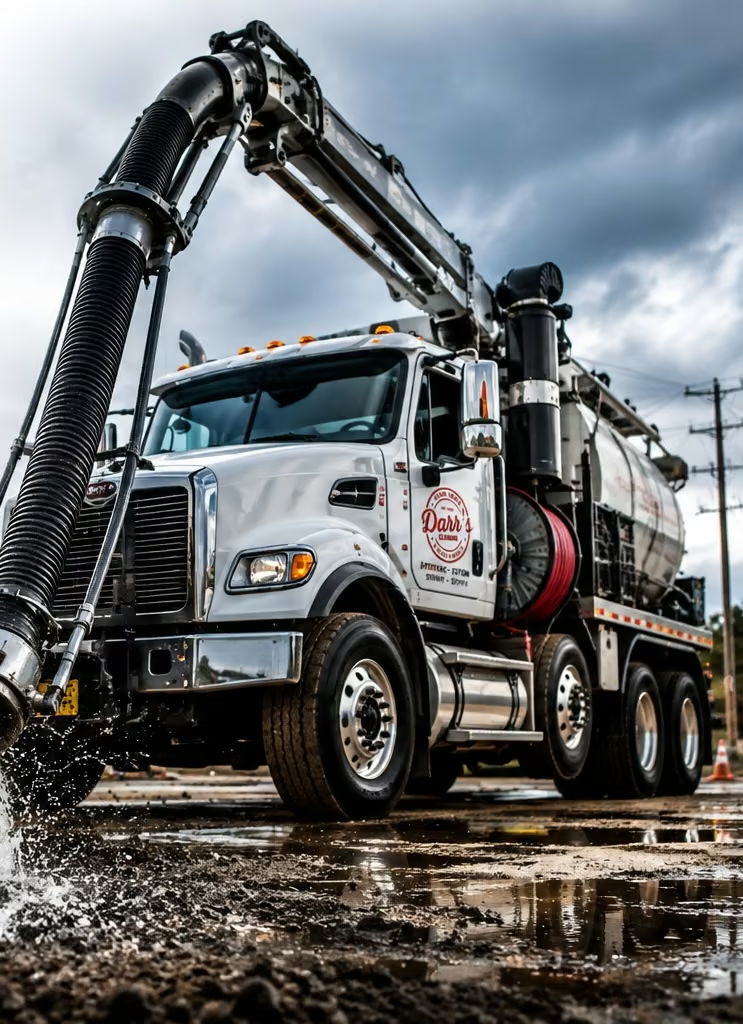
Hydroexcavation, or hydrovac, uses pressurized water to break up soil and a vacuum to lift it into a tank. Nothing mechanical cuts into the ground, which is the whole point of the method.
Read more →
Hydroexcavation vs. Traditional Excavation: What Is the Difference?
They are not competing methods so much as different tools. One moves volume. The other works carefully around what is already in the ground. Choosing between them is mostly a question of what you expect to find.
Read more →